
New school garden project in Tanzania: home-grown vegetables to combat malnutrition

Malnutrition is still widespread in Tanzania. While more than two-thirds of Tanzania’s population is engaged in agriculture, the agricultural sector is underdeveloped and crisis-prone. The reasons include a lack of agricultural knowledge and unsustainable farming practices. The result is environmental degradation, erosion and a loss of soil fertility. The situation is massively exacerbated by increasing droughts due to climate change.


In addition, many people are not aware of how important healthy and balanced food is for healthy development. School meals in Tanzania are also usually very one-sided. The main food is the typical maize porridge (Ugali) with a bean sauce. Other vegetables and fruit are only available in very small portions, if at all.
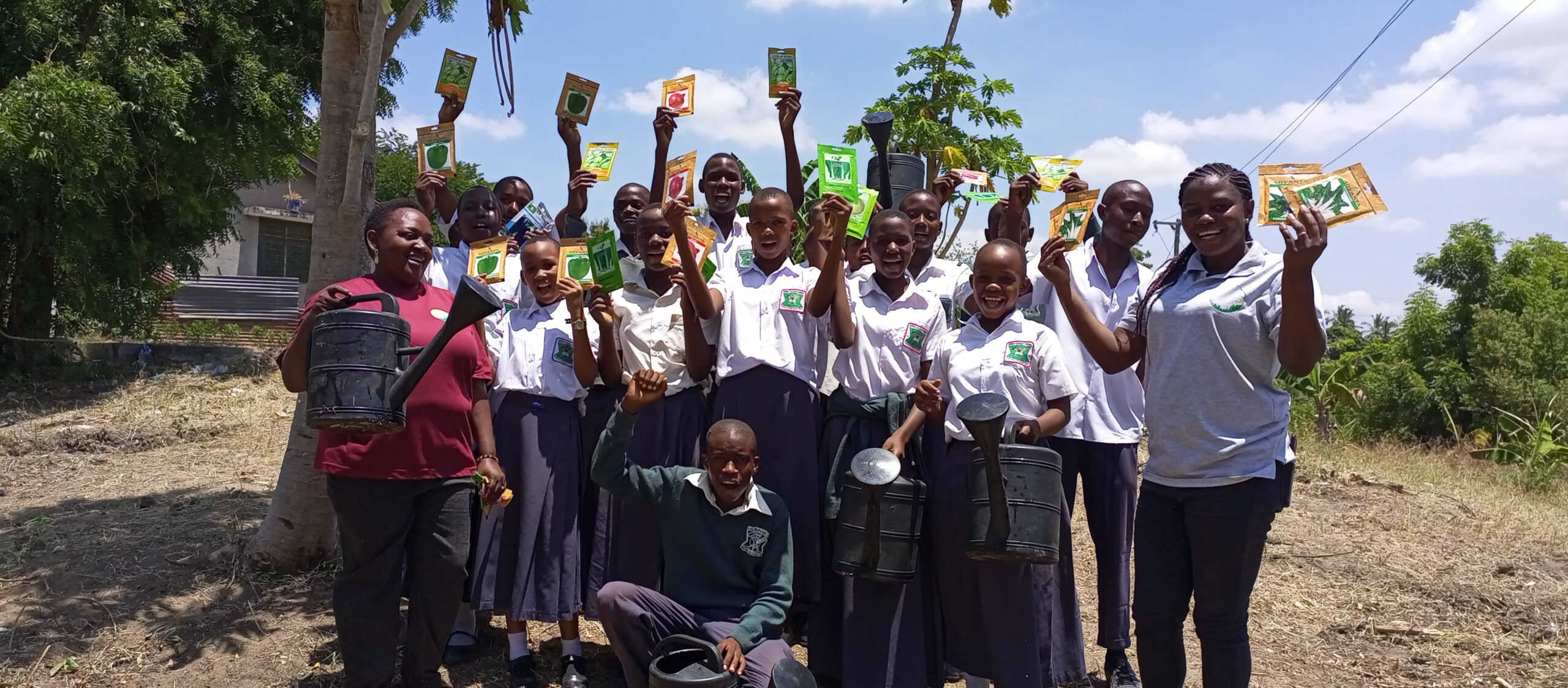
Figure 1: Pupils of Kiluvya School near Dar es Salaam

School gardens against malnutrition and for a better future

Organic school gardens offer several opportunities: they combat malnutrition by providing healthier and more balanced school meals, and they open up interesting future prospects for the pupils by teaching them about organic gardening in theory and practice while they are still at school. PROBONO has found a local cooperation partner in Sustainable Agriculture Tanzania (SAT), which is a pioneer in organic farming in Tanzania and has a lot of experience with projects at schools.

At Kiluvya School near Dar es Salaam, PROBONO has just started a first school garden project together with SAT. After an intensive one-week training of the teachers in theory and practice of organic gardening at SAT’s model farm, a school garden was subsequently planted at Kiluvya School. The students were actively involved in the process. With great dedication, they dug up the soil, laid out beds and sowed the first seeds.
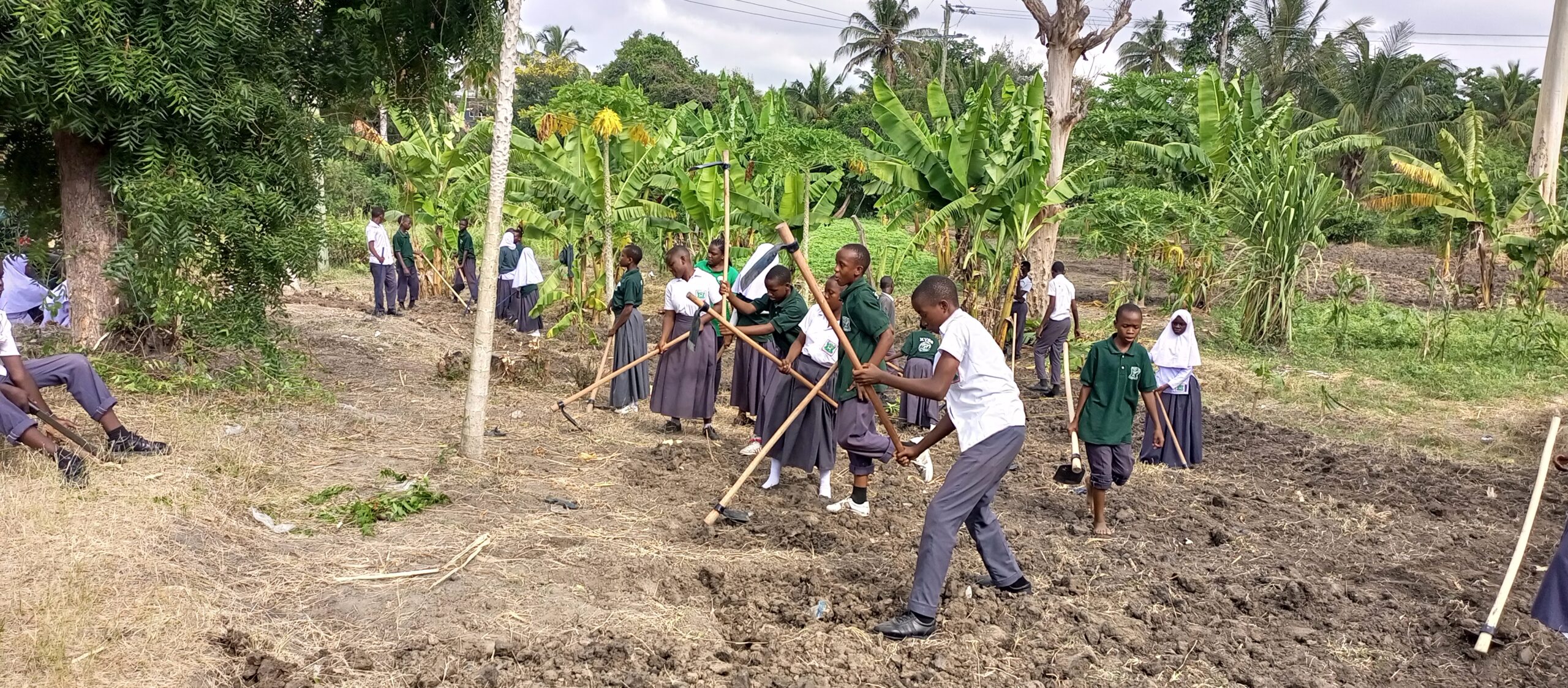
Figure 2: The new school garden is being planted

They learn how to make compost, organic fertiliser and biological pesticides, how to keep moisture in the soil and how to strengthen plant health.

Hazera Germany supports this important and forward-looking school garden project financially and with seeds and cultivation information of different crops such as tomatoes, peppers, cucumbers, melons, carrots and cabbage.
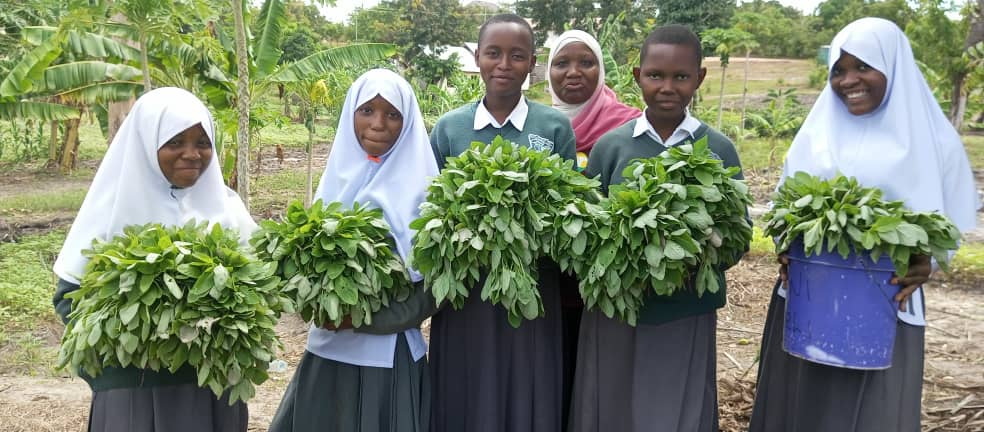
Figure 3: The first amaranth leaves are already harvested


Further information:

https://www.probono-oneworld.de

https://www.probono-oneworld.de/de/ueber-uns/kooperationspartner-und-finanzierung.php
More News

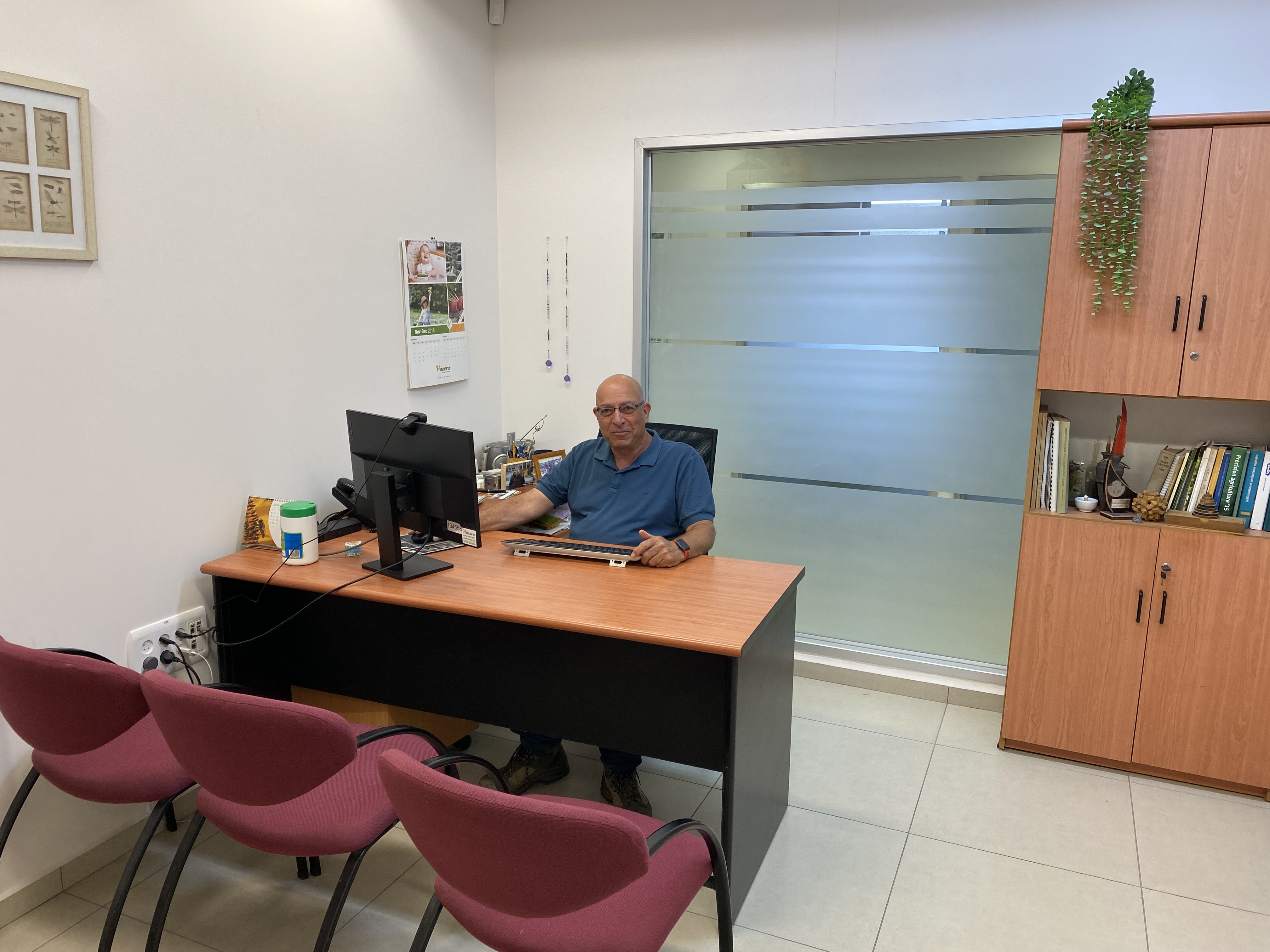
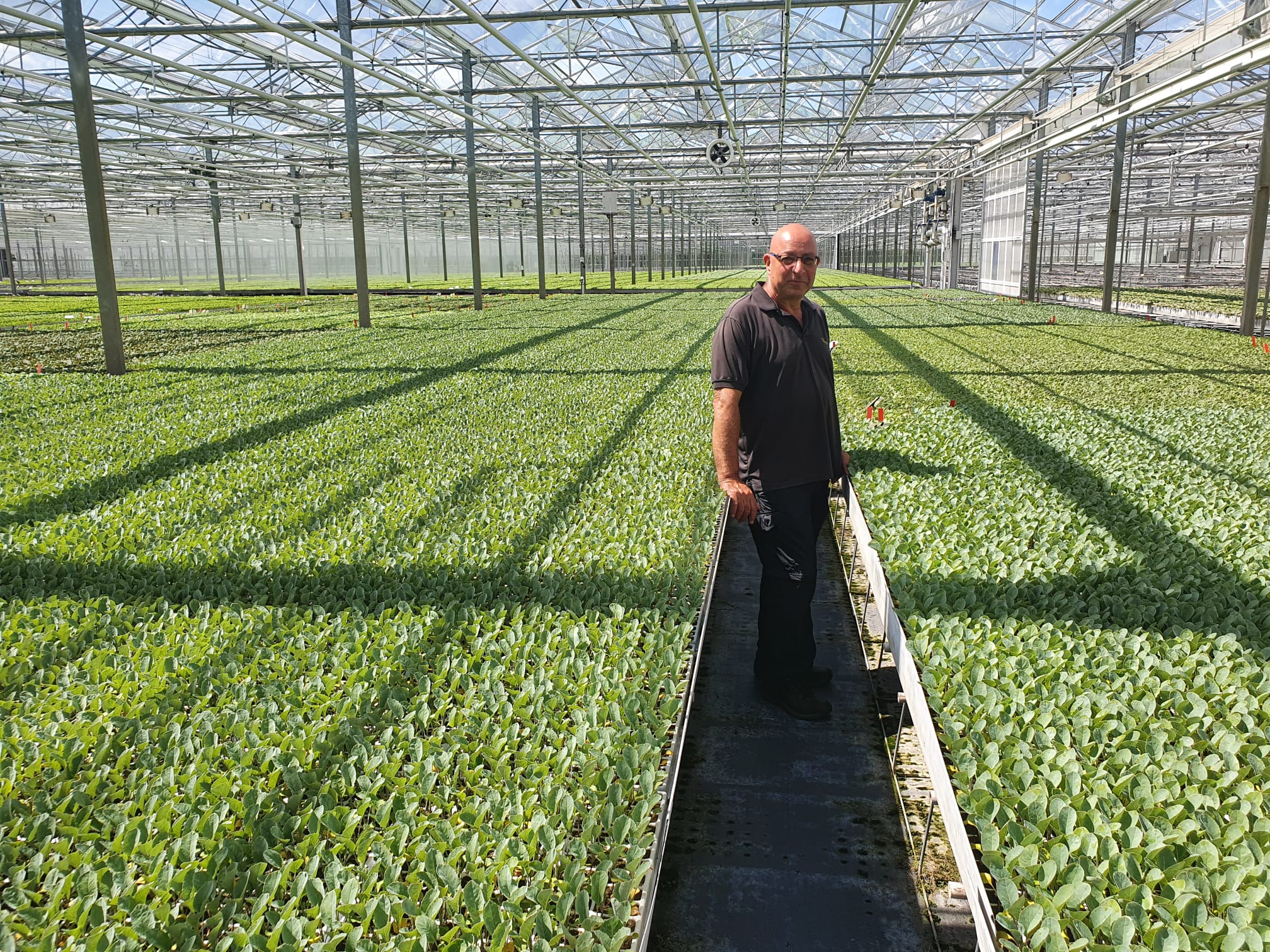
Meet the people behind the crops: Avi Gabai

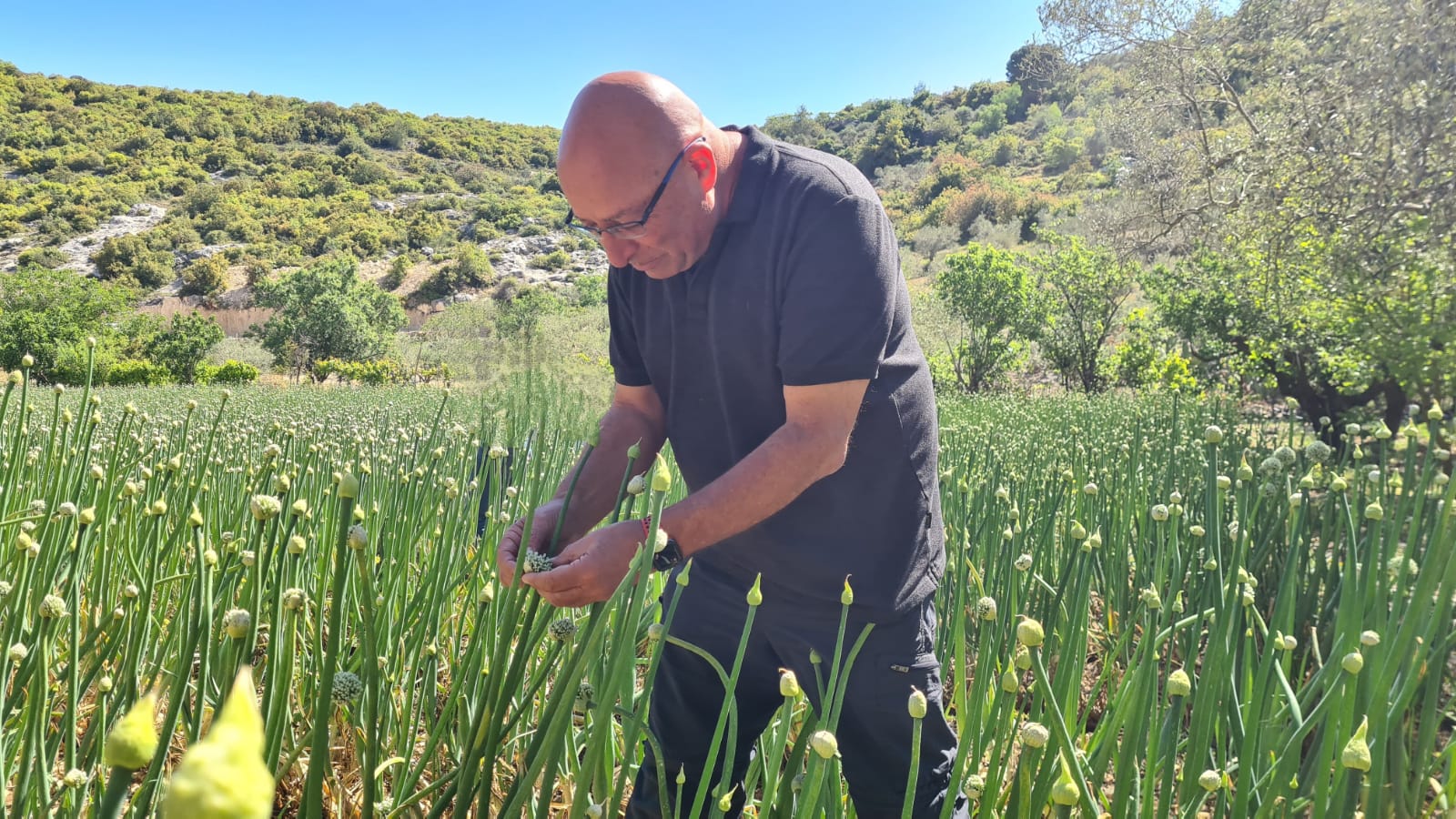
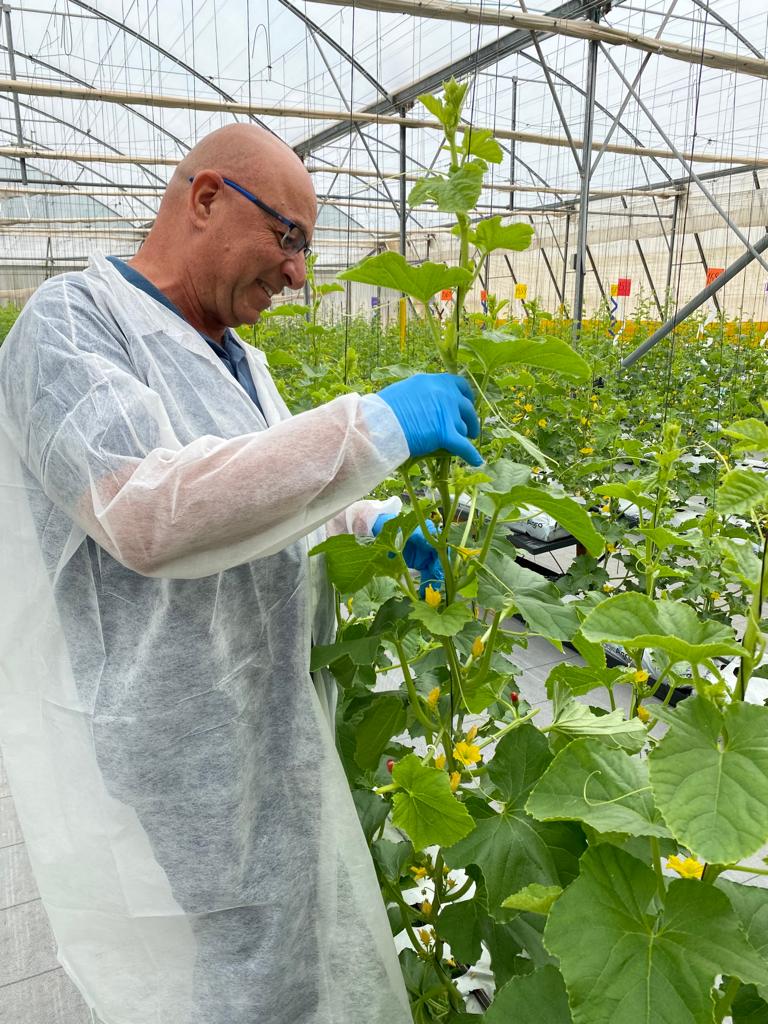
In Hazera, we tend to put the spotlight on our successful products, yet their success starts with the People of Hazera: the truly committed and passionate experts who make it all happen on a daily basis. Meet Avi Gabai (65), our Production Research Manager from Herzliya, a city in central Israel. Avi spent more than three decades at Hazera in different roles, directly reflecting the progress and the growth Hazera has achieved during these years.


Avi has been with Hazera since 1990 in different roles in R&D and the Production departments, and from 2010 he has been managing the research in Production, improving the methods and tools of seed production, bringing innovation and solutions as continuous improvement processes. With his work, Avi helps the production teams improve their production performance for all of the Hazera crops.

“What is a common myth or preconception about your job or field of expertise?”

“If you will ask the people of Hazera, they would say I’m only dealing with Onions” he says while grinning (which isn’t the case). “When I am talking with people outside Hazera, it always come to this one question: ‘What happened to the taste of tomatoes? Bring it back please’.” Apparently, it’s the most painful subject people relate to.

“In your opinion, what is the most important personality trait/strength someone would need to work in your industry/be successful in your job?”

“In my field at Hazera, I work in collaboration with different groups in production, and it became evident that the most important trait is the ability to ‘recruit’ people to join your cause, and together achieve the goal of improving the production process and consequently- the results. Getting them involved, making them feel this project is really theirs, and beyond. Continuous improvement is a team effort.”

“Tell us about a project you are really proud of and why”

“I am really proud of our joint activity in the start-up incubator with ‘South Up’. Together, we created an accelerator, enabling AG-Tech start-ups to receive help from us, in terms of mentoring, facilities and funds, and in return these start-ups are giving the benefit of new and innovative technologies we can embed into Hazera. Also, their culture of fast and agile work processes can contribute to our culture in Hazera. This is a win-win situation: Hazera can enforce its growth engines with the new technology and they can develop it into something that could be shared with the world and become commercial and profitable.”

“What book or movie you would recommend us and why?”

“Setting all politics aside, I want to recommend a book that I am reading now. It’s called “Who’s Michael?”,  written by Eliezer Shkedy, former chief commander of the Israeli Air Force, and former CEO of El Al. The book contains short stories from his past, showcasing his positive and humane approach to life. He tried to understand the other side above all, although he had some of the most demanding and stressing positions in the army- also true for him as a civilian. The way he followed and listened to his heart, thought about others and not just himself is really impressive and inspirational to me and I try to incorporate this attitude on a daily basis.”

Want to know more about our people?

Follow us on our social media channels to stay connected with our Hazera people! If you have any questions left, don’t hesitate to ask them via our contact page!

More News